
Abuse often goes unrecognized and unreported within our churches, schools, and other ministries.
The Problem
3
One in three girls will be sexually abused before their 18th birthday.
7
One in seven boys will be sexually abused before their 18th birthday.
42
42% of women were younger than 17 at the time of their first rape victimization.
28
28% of men were age 10 or younger at the time of their first rape victimization.
12
12% of churchgoers know someone at their church who who has experienced rape or an attempted rape.
Defining Abuse
Definitions provide the context to communicate ideal standards for child protection. The following definitions apply for ECAP standards. Please note that specific states may prescribe different definitions for legal purposes.
- Sexual Abuse: According to federal law, the Child Abuse Prevention and Treatment Act (CAPTA), sexual abuse is defined as the “employment, use, persuasion, inducement, enticement, or coercion of any child to engage in, or assist any other person to engage in, any sexually explicit conduct or simulation of such conduct for the purpose of producing a visual depiction of such conduct” and the “rape, and in cases of caretaker or inter-familial relationships, statutory rape, molestation, prostitution, or other form of sexual exploitation of children, or incest with children.”[1]
- Child Emotional Abuse: Child emotional abuse “means injuring a child’s self-esteem or emotional well-being. It includes verbal and emotional assault— such as continually belittling or berating a child — as well as isolating, ignoring or rejecting a child.”[2]
- Child Sexual Abuse: Child sexual abuse is any sexual activity with a child. This can involve sexual contact, such as intentional sexual touching, oral-genital contact or intercourse. This can also involve non-contact sexual abuse of a child, such as exposing a child to sexual activity or pornography; observing or filming a child in a sexual manner; sexual harassment of a child; or prostitution of a child, including sex trafficking.[3] State laws typically define this term similarly.
- Child Physical Abuse: Physical child abuse occurs when a child is purposely physically injured or put at risk of harm by another person.[4] A non-accidental physical injury does not include appropriate medical care, appropriate restraints, or appropriate discipline.
- Child Neglect: Child neglect is failure to provide adequate food, clothing, shelter, clean living conditions, affection, supervision, education, or dental or medical care.[5]
Reporting Abuse
Reporting suspected abuse can be a difficult decision, but it could also be instrumental in safeguarding the life and wellbeing of a child. It’s estimated that 1 in 4 girls and 1 in 7 boys are sexually abused by the time they are 18, but it’s estimated that only 12% of child sexual abuse is ever reported to the authorities. ChildUSA estimates that 60-80% of victims of childhood sexual assault delay reporting until adulthood. So how can we combat these frightening numbers?
People who are responsible for taking care of children should be prepared to respond appropriately when they begin to suspect abuse. Even when the abuse has not been confirmed, it is the duty of a Mandated Reporter to report suspected abuse.
The Federal Child Abuse Prevention and Treatment Act (CAPTA) requires each State to have provisions or procedures for requiring certain individuals to report known or suspected instances of child abuse and neglect (42 U.S.C. § 5106a(b)(2)(B)(i)). Each state’s Mandated Reporter Laws are different, so ministries should equip their workers to follow their local and state mandates. You can go to MandatedReporter.com to receive training on your state’s laws.
Ministries should keep in mind that reporting will not necessarily lead to legal action against the suspected abuser or the ministry. In fact, in many cases, reporting will protect the ministry from a liability lawsuit! Reporting simply opens the door for authorities to investigate and determine if neglect or abuse has taken place.
For more information on each state’s Child Abuse and Neglect Reporting contact information, you can go to this link at Childwelfare.gov.
“If the statistics are anywhere near accurate (and there is reason to believe the data grossly under-represents the scope of the problem), at any church activity, children are present who have been victims of child sexual abuse. In medium and larger size churches, dozens of victims are in attendance each time the church gathers.” – Scott Floyd, Baptist Standard
The abuse comes from those we know.
7
Only 7% of assailants are strangers to the victim.
34
34% of assailants are family members.
58
58% of assailants are acquaintances.
80
In 80% of rape cases, the victim knew the perpetrator.
“A child is much more likely to be sexually abused by a recognized, trusted adult than by a stranger.” —Roland C. Summit, The Child Abuse Accommodation Syndrome
Abuse often goes unrecognized and unreported within our churches, schools, and other social institutions.
50
More than 50% of those responsible to report abuse, don't.
63
63% of all sexual assaults are not reported to police making it the most under-reported crime.
12
Only 12% of child sexual abuse is ever reported to the authorities.
32
32% of Protestant churchgoers believe many more Protestant pastors have sexually abused children or teens than has been currently exposed.
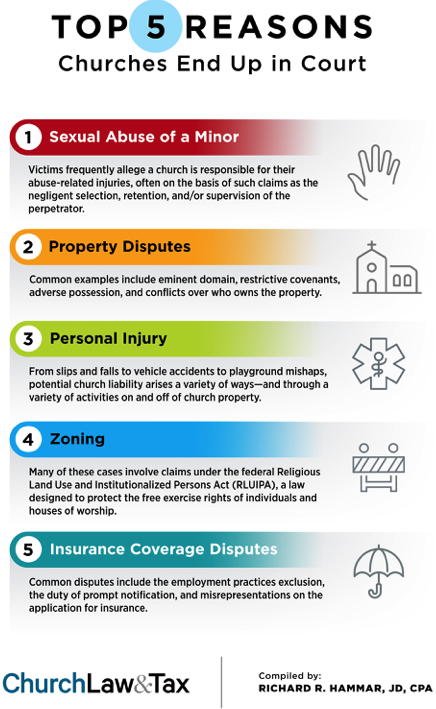
“Regrettably, the threat [child abuse] has been—and remains—the number one reason churches end up in court each year.”
—Church Law & Tax
Any child can be a victim. Any adult can be a predator.
95
95% of sexual abuse is preventable through education and awareness
0
0% of offenders follow a profile. "There is NO sex offender profile. Abusers can be anyone."
5
1 in 5 children are solicited sexually while on the Internet before the age of 18.
Many teach fire safety, school crossing safety, or even swimming safety and yet bristle at the thought of personal safety designed to empower children to protect themselves against offenders.” —Victor I. Vieth, “Suffering the Children: Developing Effective Church Policies on Child Maltreatment,”
Why ECAP Exists
Prevention
ECAP seeks to help protect children from abuse by raising awareness and establishing Child Safety Standards with an accompanying accreditation program to support Christian ministries. Prevention is not merely a matter of risk management but starts with our belief that every person is created in the image of God and worthy of protection. Furthermore, we believe that child protection is a matter of Great Commission significance and biblical stewardship.
Education
ECAP intends to help churches, schools, and ministries understand the complex topic of child protection and abuse prevention.
Accreditation
ECAP provides accreditation in the United States to help churches, schools, and ministries demonstrate compliance to Child Safety Standards. This independent audit provides helpful validation to ministry leaders, parents, and the community in creating safe places for kids. Learn more about the program on ECAP’s Accreditation Page.
“‘Does child abuse actually occur in the church?’ Yes. Victims of abuse are in your church…Pastors and church leaders who ignore this issue are disregarding one of the most dangerous problems affecting children…read more.” —Sam Rainer
Data Sources:
-
Bureau of Justice Statistics Sexual Assault of Young Children as Reported to Law Enforcement: Victim, Incident, and Offender Characteristics
-
National Sexual Violence Resource Center, Child Sexual Abuse Prevention, Programs for Children
-
Child sexual abuse and the church: How widespread is the problem?, Baptist Standard 2018
-
Churchgoers Split on Existence of More Sexual Abuse by Pastors, Lifeway Research 2019
-
Sexual Misconduct and Churchgoers National Survey of Protestant Churchgoers, Lifeway Research 2019
-
1 in 10 Young Protestants Have Left a Church Over Abuse, Christianity Today 2019
-
Steven Delaronde et al, Opinions Among Mandated Reporters Toward Child Maltreatment Reporting Policies, 25 Child Abuse & Neglect 81, 88 (2000)
-
David Finkelhor, Is Child Abuse Overreported? 48 Public Welfare 22, 25 (1990)
-
E.G. Flaherty, et al, Pediatrician Characteristics Associated with Child Abuse Identification and Reporting: Results from a National Survey of Pediatricians, 11(4) Child Maltreatment 361 (2006)
-
E.G. Flaherty, et al, From Suspicion of Physical Abuse to Reporting: Primary Care Clinician Decision-Making, 122 Pediatrics 611 (2008); and V.l. Gunn, et al, Factors Affecting Pediatricians’ Reporting of Suspected Child Maltreatment, 5(2) Ambulatory Pediatrics 96 (2005).
-
Sexual Misconduct and the Church, Youtube, Lifeway Research 2019 Research
-
Sexual Assault Statistics in the United States, National Sexual Violence Resource Center
-
Victor I. Vieth, Suffer the Children: Developing Effective Church Policies on Child Maltreatment, Godly Response to Abuse in the Christian Environment
-
Church Law & Tax, The Top 5 Reasons Churches Went to Court in 2018, 2019.
-
U.S. Department of Justice, Sexual Assault of Young Children as Reported to Law Enforcement: Victim, Incident, and Offender Characteristics.
-
Child Molestation Research and Prevention Institute The Child Molestation Prevention Plan. (n.d.). Child Molestation Research & Prevention Institute http://www.
childmolestationprevention. org/pages/prevention_plan.html -
National Children’s Alliance: Nationwide Child Abuse Statistics National Child Abuse Statistics. (n.d.). National Children’s Alliance. http://www.
nationalchildrensalliance.org/ ?s=100 -
Child Sex Abuse Prevention and Protection Center Child Sex Abuse Prevention and Protection Center (n.d.) Is there a typical profile of someone who sexually abuses children? Stop It Now. http://www.stopitnow.org/
faq_sex_offender_profile -
Difficult Questions About Child Protection in Your Church, Sam Rainer, 2020.